
What Materials Does a Fence Calculator
When people think of a fence calculator, they usually picture something that just tells you “how many panels” you need. In reality, a good fence calculator produces a much more complete materials list, covering everything from structural components down to the smallest hardware pieces. Understanding exactly what’s included — and what typically isn’t — helps you avoid missing items when you place your order. This article breaks down every category of material a fence calculator typically accounts for.
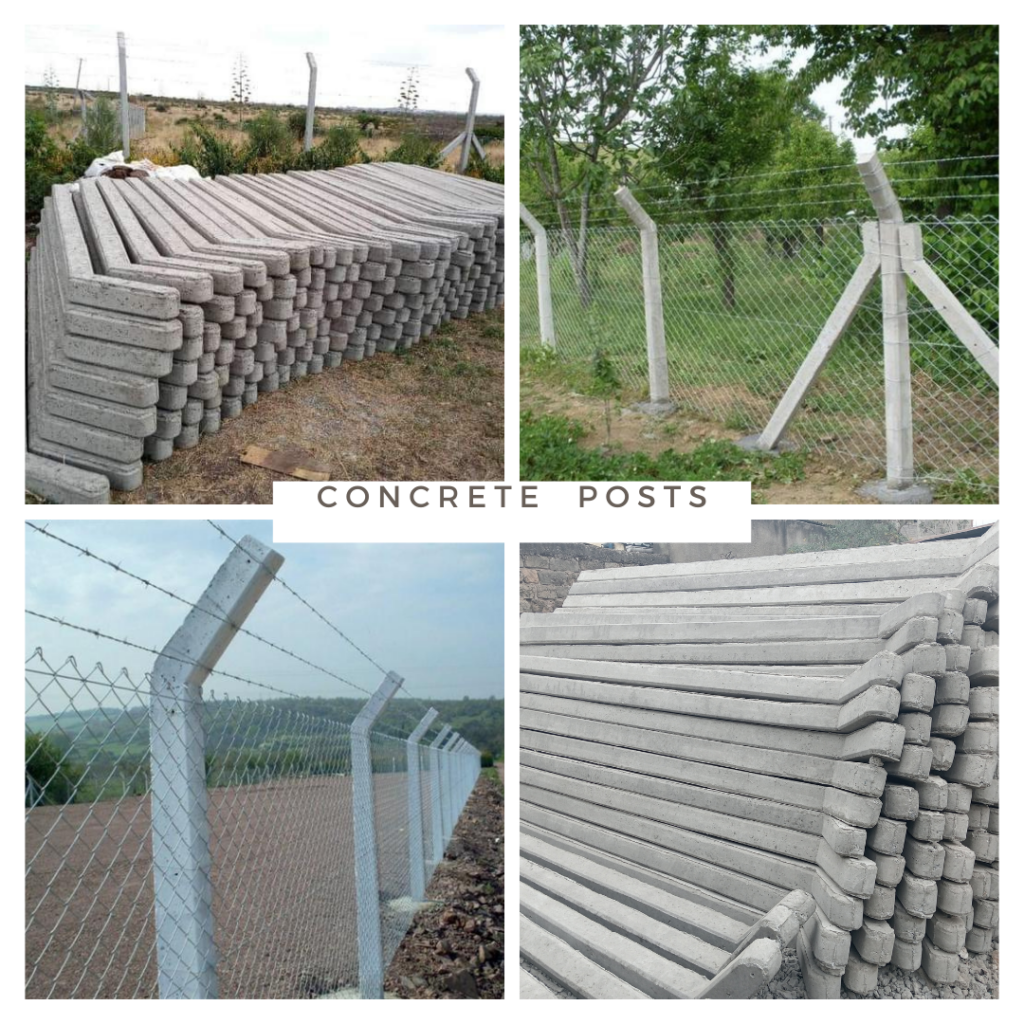
Posts
Posts are the foundation of any fence, and they’re almost always the first item calculated. The calculator determines:
- Line posts — standard posts spaced evenly along straight fence runs
- Corner posts — heavier-duty posts placed at direction changes, often requiring extra bracing
- End posts — posts marking the beginning or end of a fence run that doesn’t connect to another structure
- Gate posts — reinforced posts on either side of a gate opening, sized to handle the gate’s weight and swing
Post material also varies by fence type — wood, metal, or vinyl-sleeved posts are calculated based on the fence style you select.
Rails or Panels
Depending on your fence design, the calculator computes one of two things:
- Horizontal rails, used in rail-style or picket fences, calculated by multiplying the number of post sections by the number of rail rows (2-rail, 3-rail, or 4-rail configurations are common).
- Pre-manufactured panels, used in privacy or vinyl fencing, calculated by dividing total linear footage by standard panel width.
This is usually the largest material category by cost, since panels and rails make up the bulk of the visible fence structure.
Pickets or Infill Boards
For picket-style wood fences, the calculator goes a level deeper than panel count, estimating individual picket quantity based on picket width and your chosen spacing — tighter spacing for privacy fences, wider spacing for decorative or semi-open designs. This calculation directly affects both material cost and the finished look of the fence.
Concrete
Nearly every fence calculator includes a concrete estimate for setting posts. This is typically calculated per post, based on:
- Standard hole depth and diameter guidelines
- Fence height (taller fences generally need deeper holes)
- Whether you’ve selected wood, vinyl, or metal posts, since diameter requirements differ
Most tools estimate this in number of 50-lb bags needed, with taller privacy fences often requiring two bags per post instead of one.
Post Caps and Toppers
Post caps serve both a functional purpose (protecting the post from water damage) and a decorative one. Calculators typically include one cap per post as a standard line item, though some let you upgrade to decorative caps, solar caps, or finials, which may affect the cost estimate.
Brackets and Connectors
These are the small metal pieces that attach rails or panels to posts. The calculator usually estimates:
- Rail brackets — one set per rail-to-post connection
- Panel brackets — used for pre-fabricated panel systems
- U-channel or routed post hardware — for fences where rails slide directly into pre-cut post grooves rather than using surface brackets
Fasteners
Screws, nails, or bolts are typically estimated by weight or box count, scaled to your total panel, rail, or picket quantity. This is one of the easiest categories to underestimate manually, which is part of why calculators are useful — they apply a consistent ratio based on your total project size rather than requiring you to guess.
Gates and Gate Hardware
Gates are calculated as a distinct category, separate from the main fence run, because they involve different structural requirements. This typically includes:
- Gate frame material, sized to the gate’s width
- Hinges, sized appropriately for the gate’s weight
- Latches or locking hardware
- Gate posts, often reinforced compared to standard line posts
Double-drive gates (wide enough for vehicles) usually trigger a heavier-duty hardware kit than a single walk-through gate.
Chain Link-Specific Materials
For chain link fencing, the calculator swaps out panels and pickets for a different set of components:
- Mesh fabric, calculated by roll length needed to cover your linear footage
- Top rail, running horizontally along the top of the fence
- Tension wire, run along the bottom
- Tension bands and bars, used to secure the mesh to posts
- Post caps and rail ends, specific to chain link hardware
Vinyl-Specific Materials
Vinyl fence calculators often include additional line items not found in wood fence calculators:
- Routed or panel-style posts, depending on the vinyl system
- U-channel inserts
- Rail-to-post connector clips, since vinyl systems often use snap-together hardware rather than screws
What Fence Calculators Typically Don’t Calculate
While calculators cover a lot of ground, most stop short of a few items that require more site-specific judgment:
- Land clearing or old fence removal — usually estimated separately, if at all
- Slope adjustments — stepped or racked panel requirements for uneven terrain
- Permit costs — these vary by municipality and aren’t material-based
- Custom decorative elements — such as lattice toppers, mixed materials, or custom paint or stain
- Labor costs — many calculators are materials-only, though some offer a combined estimate
If your project involves any of these factors, plan to add them manually on top of the calculator’s output.
How These Materials Come Together in the Final List
Once every category above is calculated, most tools compile everything into a single itemized list, often grouped by category (posts, panels, hardware, concrete, gates) with quantities and sometimes estimated pricing for each. This structure makes it easy to cross-reference against a supplier’s inventory or a contractor’s quote, since you can check line by line whether everything matches up.
FAQs
1. Does a fence calculator include the cost of labor? Not usually. Most fence calculators are materials-only tools. Some advanced calculators offer a combined materials-and-labor estimate, but it’s worth confirming which type you’re using.
2. Will the calculator tell me how much concrete I need? Yes, most calculators estimate concrete based on post count and standard hole depth, though you may need to adjust this manually if your region has deeper frost line requirements.
3. Does it calculate different materials for chain link versus wood fencing? Yes. Chain link calculators swap out panels and pickets for mesh fabric, top rail, and tension wire, while wood and vinyl calculators focus on posts, panels, and picket-specific hardware.
4. Are gate materials included automatically? Most calculators include a gate section, but you typically need to manually enter the number and width of gates for it to generate accurate gate-specific hardware.
5. Does the calculator account for decorative elements like post caps or lattice toppers? Basic post caps are usually included by default, but decorative upgrades like finials, solar caps, or lattice toppers often need to be added manually, since they’re considered optional add-ons.
6. What materials are most commonly left out of a fence calculator’s estimate? Land clearing, old fence removal, slope adjustments, and permit costs are the most commonly excluded items, since these depend on site-specific conditions rather than standard formulas.
Final Thoughts
A fence calculator does far more than count panels — it works through posts, rails, concrete, hardware, and gates, adjusting its formulas based on your chosen fence type. Knowing exactly what’s included, and just as importantly what’s typically left out, helps you build a complete and accurate materials list before you ever step foot in a supply store.